Child safety is one of the most important responsibilities for any parent, no matter what stage of growth their children are in. Whether raising toddlers, school-age kids, or early teens, understanding and applying the right child safety tips for parents helps prevent accidents and ensures peace of mind. At LittleCareWorld.com, we strongly believe that safety is not a one-time action—it is a continuous lifestyle that grows with your child.
From home to school, from online spaces to outdoor play, children face different risks daily. That’s why parents need reliable, simple, and up-to-date advice that fits real-life situations. In this detailed guide, you’ll discover practical child safety tips for parents, covering home safety, health, travel, emotional wellbeing, digital protection, and emergency readiness. Each section includes clear examples, easy-to-follow steps, and realistic strategies that are proven to work for modern families.
Think of this guide as your all-in-one parenting safety manual. By staying aware and taking small steps every day, you can dramatically reduce risks and keep your child protected in every environment. When safety becomes part of your daily routine, your home transforms into a nurturing place where kids can grow, explore, and thrive confidently. And that’s exactly the mission we support at LittleCareWorld.com.
Creating a Safe Home Environment
Your home should be the safest place for your children, yet most accidents still happen indoors. That’s why mastering these child safety tips for parents is essential. Inside every household, you’ll find multiple hidden hazards—sharp edges, unstable furniture, electrical outlets, small objects, choking risks, and more. Identifying them early helps you prevent common injuries before they happen.
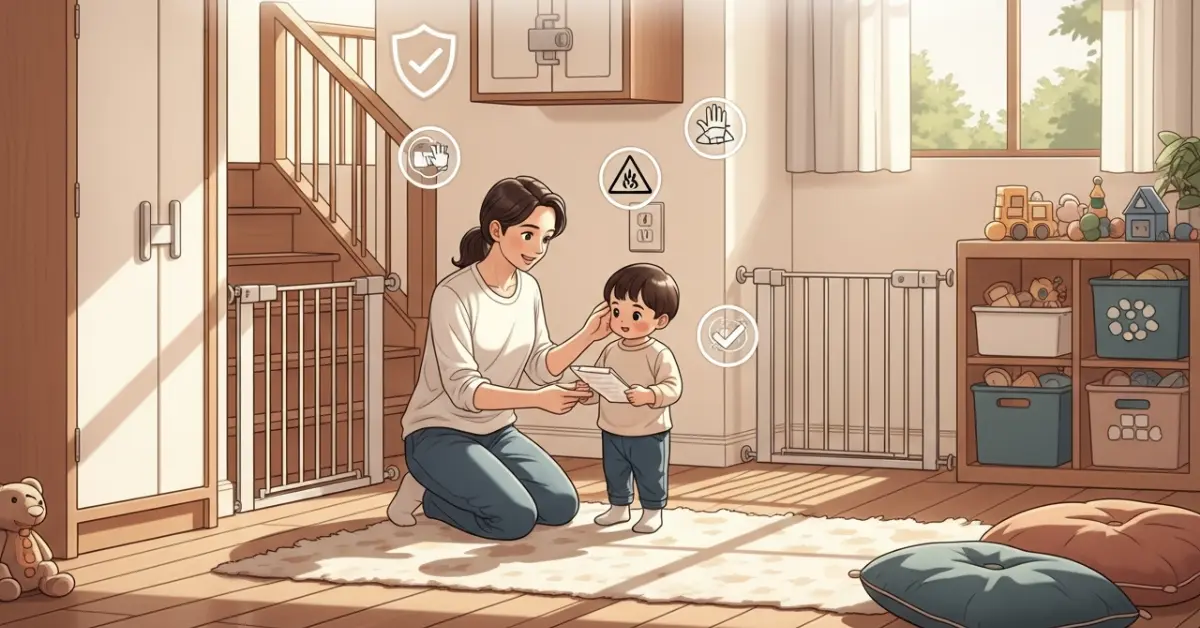
Start by walking through each room at your child’s eye level. This simple trick reveals what they see, what grabs their curiosity, and what they might reach for. Heavy furniture must always be anchored against walls to prevent tipping. Items like televisions, bookshelves, dressers, and cupboards can easily fall if children pull or climb on them. At LittleCareWorld.com, we always recommend anti-tip straps or brackets for any furniture taller than waist height.
Small objects like coins, beads, marbles, button batteries, and jewelry should be kept high and out of reach because these are the most common choking hazards. Another powerful tip is using childproof locks on drawers, cabinets, and doors that store dangerous items. Baby gates are also extremely helpful in restricting access to stairs, laundry rooms, and storage spaces.
Ventilation matters too. Ensure windows have secure locks or safety bars so kids can’t open them on their own. A safe home is not created overnight—it is built through daily awareness. These essential child safety tips for parents will help turn your home into a secure space that protects your little ones at all times.
Kitchen and Bathroom Safety
Kitchens and bathrooms are the two most dangerous rooms for children. That’s why parents must pay extra attention to setting rules and securing these areas. Using the right child safety tips for parents, you can greatly reduce risks like burns, slips, cuts, and poisoning.
In the kitchen, always turn pot handles inward when cooking. This prevents children from accidentally pulling hot items down. Unplug appliances like blenders, toasters, and kettles after use. Keep cleaning supplies, dishwashing liquids, and sharp items (knives, scissors, peelers) locked away or placed in high cabinets. At LittleCareWorld.com, we recommend using heat guards for stovetops and anti-slip mats for added protection.
The bathroom requires the same level of attention. Water safety is extremely important—never leave children unattended in the bathtub, even for a few seconds. Set your water heater to a safe temperature (around 120°F or 49°C) to avoid accidental burns. Medicines, razors, hair dryers, and toiletries should be placed out of reach or secured in cabinets with childproof locks.
Another highly effective child safety tip for parents is to use non-slip mats in bathtubs and on tiled floors to prevent falls. Teach kids to never touch electrical appliances with wet hands. A child-friendly bathroom routine—such as keeping shampoo and soap where kids can reach safely—helps them learn independence while staying protected.
Electrical and Fire Safety
Electricity and fire hazards are among the leading causes of home accidents. Every parent must understand the right child safety tips for parents to prevent shocks, burns, or fire-related injuries. Covering electrical outlets with safety plugs is a simple but powerful step. Make sure all cords are in good condition—no fraying, exposed wires, or overheating.
Extension cords should never be overloaded or left across walking areas. Children may chew, pull, or trip over them. Keep them tucked away or secured along walls. At LittleCareWorld.com, we often highlight the importance of using certified surge protectors to reduce risks.
Smoke detectors and carbon monoxide alarms should be installed in every bedroom, hallway, and near the kitchen. Test them monthly and replace batteries once a year. Teaching children basic fire safety rules—like staying away from matches, candles, and lighters—is also essential.
Create a simple home fire escape plan that kids can easily understand. Practice it regularly so children learn how to react calmly during emergencies. These proactive child safety tips for parents can save lives and provide a layer of protection your home should never be without.
Outdoor Safety
Playing outdoors is healthy and exciting for kids, but it also introduces several risks. Parents must balance fun with caution by applying effective child safety tips for parents whenever their children are outside. Always supervise outdoor play, whether it’s in your own yard, a playground, or a public park. Even older children need watchful attention.
Choose playgrounds with soft landing surfaces such as rubber mats, sand, or grass. Inspect swings and slides for sharp edges, loose bolts, or broken parts. Teach children to take turns, avoid pushing, and use equipment the right way.
Weather also impacts outdoor safety. Guard children against extreme temperatures by using sunscreen and ensuring hydration in the heat, and by dressing them in layers for the cold. Always check playground equipment in summer—it can become extremely hot and cause burns.
Stranger awareness is another important skill. Teach children simple rules: never walk off with someone they don’t know, never accept gifts or rides from strangers, and always inform a trusted adult where they are going. At LittleCareWorld.com, we always highlight the importance of teaching children their full name, parents’ names, and emergency contacts.
These child safety tips for parents create safe outdoor habits that last a lifetime.
Road and Travel Safety
Road and travel safety is one of the most crucial areas where child safety tips for parents must be applied every single day. Whether walking to school, riding in a car, cycling, or taking the bus, children face several risks on the road. Teaching them safe habits early helps create lifelong awareness and responsibility. Always remind children to look left, right, and left again before crossing any road. Encourage them to use sidewalks, crosswalks, and pedestrian signals whenever possible.
When it comes to car safety, parents must choose age-appropriate car seats. Infants require rear-facing seats, toddlers use forward-facing seats, and older children must ride in booster seats until they reach the recommended height and weight. At LittleCareWorld.com, we strongly advise parents to follow updated car seat guidelines and ensure the seat is installed correctly. Even older kids must wear seatbelts properly—no exceptions. Seatbelt misuse remains one of the leading causes of preventable injuries.
Bicycle safety is equally important. Insist that children always wear a helmet that fits well and is certified for safety. Teach them to use hand signals, ride with traffic, and pay attention to their surroundings. School buses also require awareness—children must stay seated, avoid leaning out of windows, and follow bus rules. All of these child safety tips for parents help protect kids from common road dangers.
Digital and Online Safety
In today’s world, the internet is a second playground for kids—and it requires just as much attention. Online spaces can expose children to risks such as cyberbullying, scams, inappropriate content, and strangers. That’s why child safety tips for parents must now include digital protection. Start by setting age-appropriate screen time limits that support a healthy lifestyle. Encourage kids to balance online activities with offline hobbies, outdoor play, and family time.
Social media use should come with clear rules. Teach your child to never share personal information like their full name, address, school, or photos with strangers. At LittleCareWorld.com, we often recommend enabling parental controls on web browsers, apps, and smart devices. Monitoring tools can help track what children access while allowing parents to step in when necessary.
Another important step is teaching kids about online privacy and digital footprints. Explain that what they post online stays there forever, even if they delete it later. Encourage them to come to you anytime they feel uncomfortable or threatened online. These proactive child safety tips for parents build trust, awareness, and safe digital habits.
Health and Hygiene Safety
A child’s health depends not just on food and exercise but also on proper hygiene and preventive care. Practicing good hygiene is one of the most effective child safety tips for parents, especially in environments where kids interact closely with others. Teach proper handwashing habits using warm water and soap, making sure children scrub their hands for at least 20 seconds. This simple practice can prevent most common infections.
Keeping vaccinations up to date is another essential part of child safety. Vaccines protect children from serious diseases and help keep their immune systems strong. Proper food handling also plays a big role—always wash fruits and vegetables, store foods at the right temperatures, and check expiration dates. At LittleCareWorld.com, we remind parents to maintain clean lunchboxes and use insulated containers for hot or cold foods.
Every home should also have a basic first-aid kit. Knowing how to treat minor injuries like scrapes, cuts, and small burns can prevent infections and reduce complications. Teaching kids about personal hygiene, such as brushing teeth twice daily, bathing regularly, and wearing clean clothes, is just as important. These child safety tips for parents strengthen health awareness and develop lifelong habits.
Emotional and Mental Safety
Child safety is not just physical—it also includes emotional and mental wellbeing. Children need support, empathy, and a safe environment where they can express their thoughts freely. One of the most powerful child safety tips for parents is encouraging open communication. Let your child know they can talk to you about anything without fear of punishment or judgment. This builds trust and helps kids feel secure.
Recognizing signs of bullying, anxiety, or stress is essential. Children may not always speak up, but their behavior often reveals how they feel. Watch for mood swings, withdrawal from activities, trouble sleeping, or sudden changes in appetite. At LittleCareWorld.com, we always emphasize creating a home atmosphere where children feel valued, heard, and emotionally supported.
Spend time each day connecting with your child—simple conversations, playtime, or shared activities help strengthen emotional bonds. Teach kids healthy coping skills like deep breathing, expressing feelings, and solving problems calmly. Emotional safety is a long-term investment that shapes a child’s confidence and stability throughout life. These essential child safety tips for parents help raise emotionally strong, resilient children.
Emergency Preparedness
Emergencies can happen anytime, which is why parents must teach children how to react safely and confidently. Knowing even the basics can save lives. One of the most practical child safety tips for parents is teaching kids how to call for help. Show them how to dial emergency numbers and explain what information they must provide.
Create a simple family emergency plan that includes meeting points, escape routes, and important contact numbers. Practice it regularly so children remember what to do during fires, earthquakes, or unexpected situations. At LittleCareWorld.com, we encourage families to keep emergency details in visible places such as refrigerators or bulletin boards.
A well-stocked first-aid kit is also essential. Include bandages, antiseptic wipes, gauze, scissors, pain relievers, and any necessary medications. Teach older kids how to use basic first-aid supplies safely. These powerful and practical child safety tips for parents ensure your family is always prepared and confident in the face of emergencies.
Finally
Keeping children safe is an ongoing journey that requires awareness, consistency, and love. By applying these essential child safety tips for parents, you create a secure environment where children can grow, explore, and thrive. From home safety to digital protection, emotional support, and emergency readiness, every small step contributes to your child’s wellbeing. At LittleCareWorld.com, we encourage parents to stay observant, stay informed, and make safety a natural part of daily routines. Your effort today builds a safer tomorrow for your child.
FAQs
- What are the most important child safety tips for parents at home?
Keeping small items out of reach, childproofing furniture, using safety locks, and supervising kids are some of the most essential steps. - How can parents improve online safety for their children?
Use parental controls, set screen time limits, monitor online activities, and teach kids about privacy rules. - What safety steps should be taken in the kitchen?
Store knives safely, turn pot handles inward, lock cleaning supplies, and supervise kids closely. - Why is emotional safety important for children?
It helps children build confidence, express themselves freely, and handle stress in a healthy way. - How can parents prepare kids for emergencies?
Teach emergency numbers, create a family emergency plan, and keep a first-aid kit at home.