Keeping your baby safe at home is every parent’s top priority. Babies are curious and move quickly as they grow. This makes the home a place full of hidden risks. Following the right baby safety tips at home can help prevent accidents and injuries.
At LittleCareWorld.com, we believe that simple safety steps can make a big difference. This guide will help parents understand how to create a safer home for their baby using easy and practical baby safety tips at home.
Understanding Baby Safety at Home
Babies explore the world using their hands and mouth. They crawl, stand, and walk without understanding danger. This is why baby safety tips at home are essential from the very beginning.
Most baby accidents happen at home. Falls, burns, choking, and poisoning are common risks. With proper planning and daily awareness, parents can reduce these dangers. Baby-proofing your home early helps keep your child protected at every stage of growth.
Living Room Safety Tips for Babies
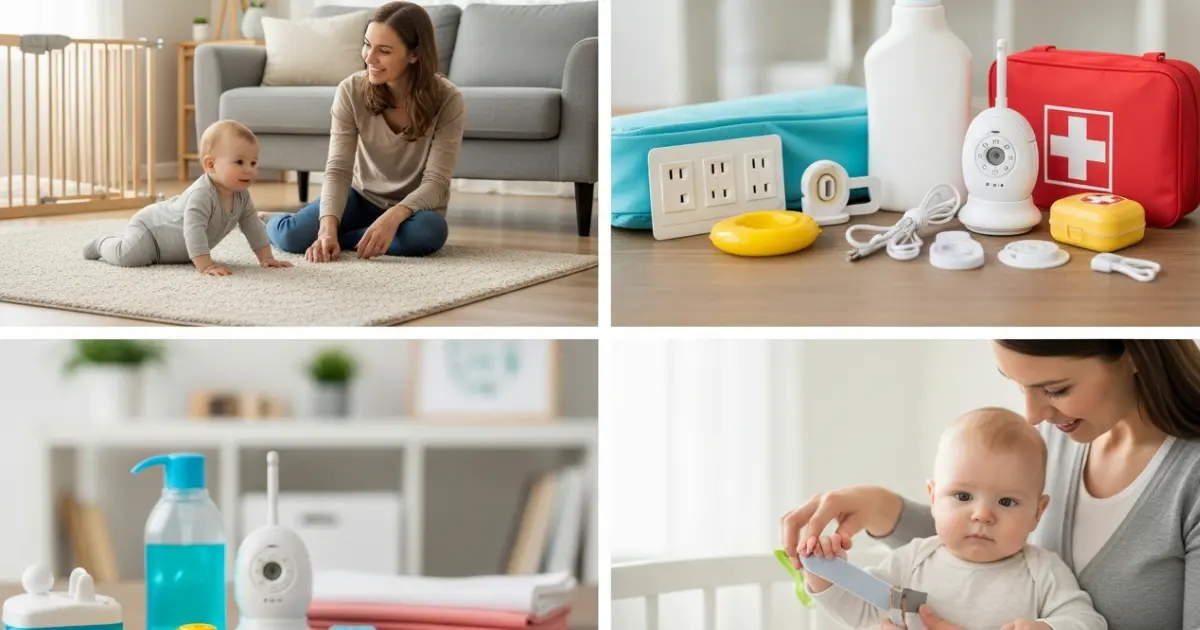
The living room is often where babies spend most of their time. It must be safe and clutter-free.
Key baby safety tips at home for the living room:
- Secure sofas, TVs, and shelves to the wall
- Cover sharp corners of tables and furniture
- Keep coins, batteries, and small toys out of reach
- Use safety gates near stairs
Always check the floor before letting your baby crawl or play. A clean and organized living room supports better baby safety at home.
Bedroom and Nursery Safety
The nursery should be a calm and secure place for your baby to sleep and rest.
Important baby safety tips at home for bedrooms:
- Use a firm mattress with a well-fitted sheet
- Keep pillows, blankets, and soft toys out of the crib
- Place the crib away from windows and cords
- Use a baby monitor responsibly
Room temperature should be comfortable, not too hot or cold. At LittleCareWorld.com, we recommend keeping the nursery simple to reduce safety risks.
Kitchen Safety Tips for Babies
The kitchen is one of the most dangerous areas for babies. Heat, sharp tools, and chemicals can cause serious harm.
Essential baby safety tips at home for the kitchen:
- Lock cabinets and drawers
- Store knives and scissors in closed areas
- Keep cleaning products and medicines locked
- Turn pot handles inward while cooking
Never leave a baby unattended in the kitchen. Even a few seconds can be risky. Following these baby safety tips at home can prevent burns and injuries.
Bathroom Safety for Babies
Bathrooms can be slippery and unsafe for babies if proper care is not taken.
Baby safety tips at home for bathrooms:
- Never leave your baby alone in the bathtub
- Use non-slip mats on floors and tubs
- Set water heater temperature to avoid burns
- Store toiletries and medicines in locked cabinets
Always test water temperature before bathing your baby. Bathroom safety is a critical part of overall baby safety at home.
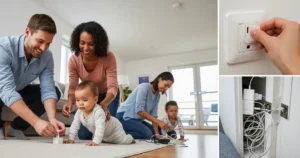
Electrical and Fire Safety at Home
Electricity and fire hazards can be very dangerous for babies. Babies often touch or pull anything within reach. This is why electrical safety is a key part of baby safety tips at home.
Important baby safety tips at home for electrical and fire safety:
- Cover all unused electrical outlets
- Keep wires and chargers out of reach
- Do not overload power sockets
- Install smoke detectors in every room
- Check smoke alarm batteries regularly
Keep matches, candles, and lighters locked away. At LittleCareWorld.com, we strongly recommend creating a fire safety plan for your home to improve baby safety at home.
Window, Door, and Balcony Safety
Windows and balconies can pose serious risks for babies, especially as they start to stand and climb.
Baby safety tips at home for windows and doors:
- Install window locks or guards
- Keep furniture away from windows
- Always lock balcony doors
- Never leave a baby alone near open windows
Even short moments of inattention can lead to accidents. These baby safety tips at home help prevent falls and injuries.
Toy and Play Area Safety
Toys bring joy, but unsafe toys can be harmful. Always choose toys carefully to support safe play.
Baby safety tips at home for toys and play areas:
- Choose toys suitable for your baby’s age
- Avoid toys with small or loose parts
- Keep play areas clean and organized
- Check toys often for damage
Store toys properly after playtime. A safe play area is an important part of baby safety at home and supports healthy development.
Daily Habits That Improve Baby Safety at Home
Daily habits play a major role in keeping your baby safe. Small actions every day can prevent big accidents.
Simple baby safety tips at home to follow daily:
- Always supervise your baby
- Never leave your baby alone on beds or sofas
- Keep bags, medicines, and sharp items out of reach
- Educate caregivers about home safety rules
Consistency is key. Making safety part of your daily routine improves overall baby safety at home.
Emergency Preparedness for Parents
Being prepared for emergencies is essential for every parent. Quick action can save lives.
Baby safety tips at home for emergencies:
- Keep emergency phone numbers visible
- Learn basic baby first aid and CPR
- Keep a stocked first aid kit at home
- Know when to seek medical help
At LittleCareWorld.com, we encourage parents to stay informed and prepared. Emergency readiness is a vital part of baby safety at home.
Finally
Creating a safe home for your baby does not have to be difficult. By following these baby safety tips at home, parents can greatly reduce the risk of accidents. Every room in your house plays a role in your baby’s safety.
Start with small changes and stay consistent. Baby-proofing your home is an ongoing process as your child grows. For more trusted guidance and practical parenting advice, visit LittleCareWorld.com and make baby safety at home your daily priority.